BROWSE PRODUCTS
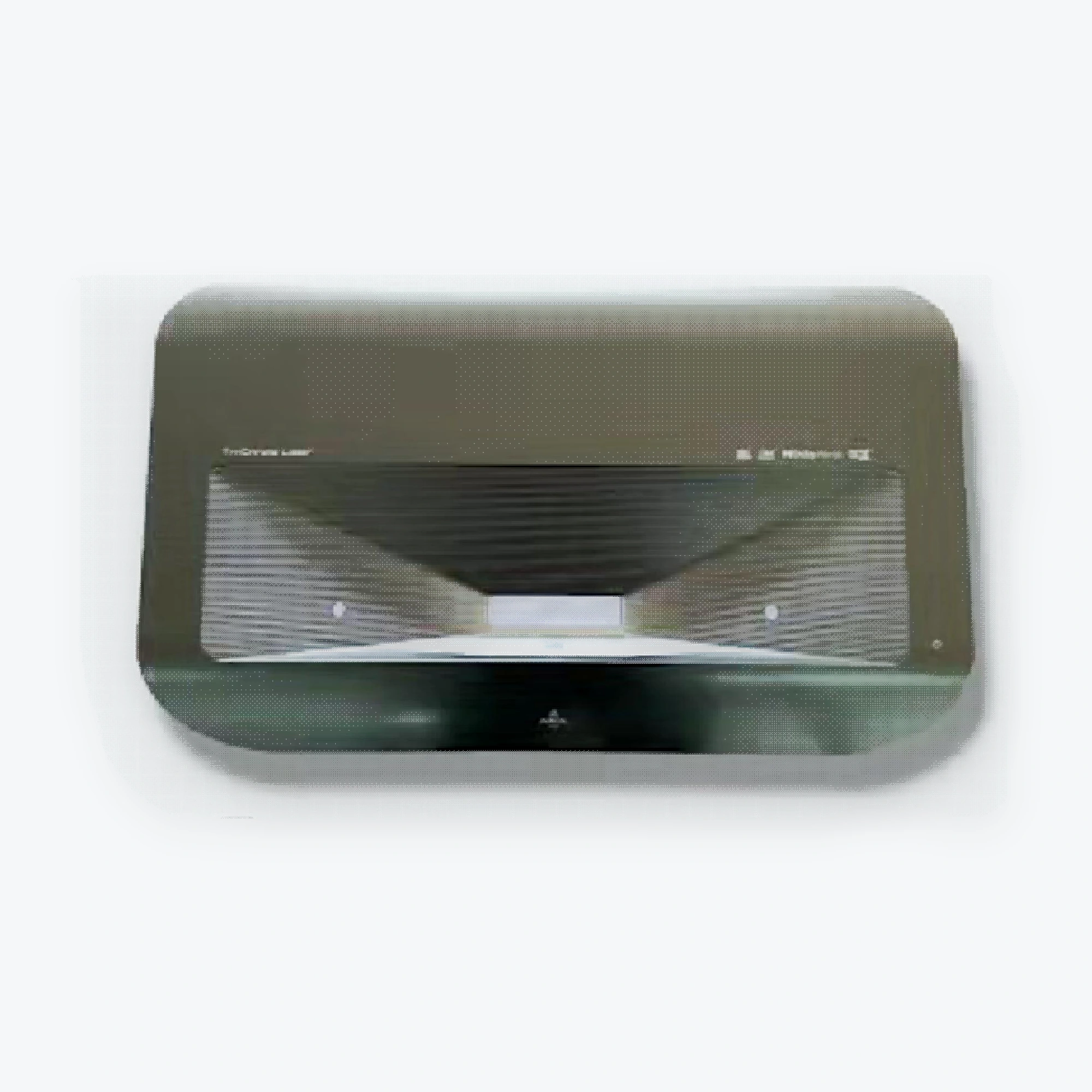
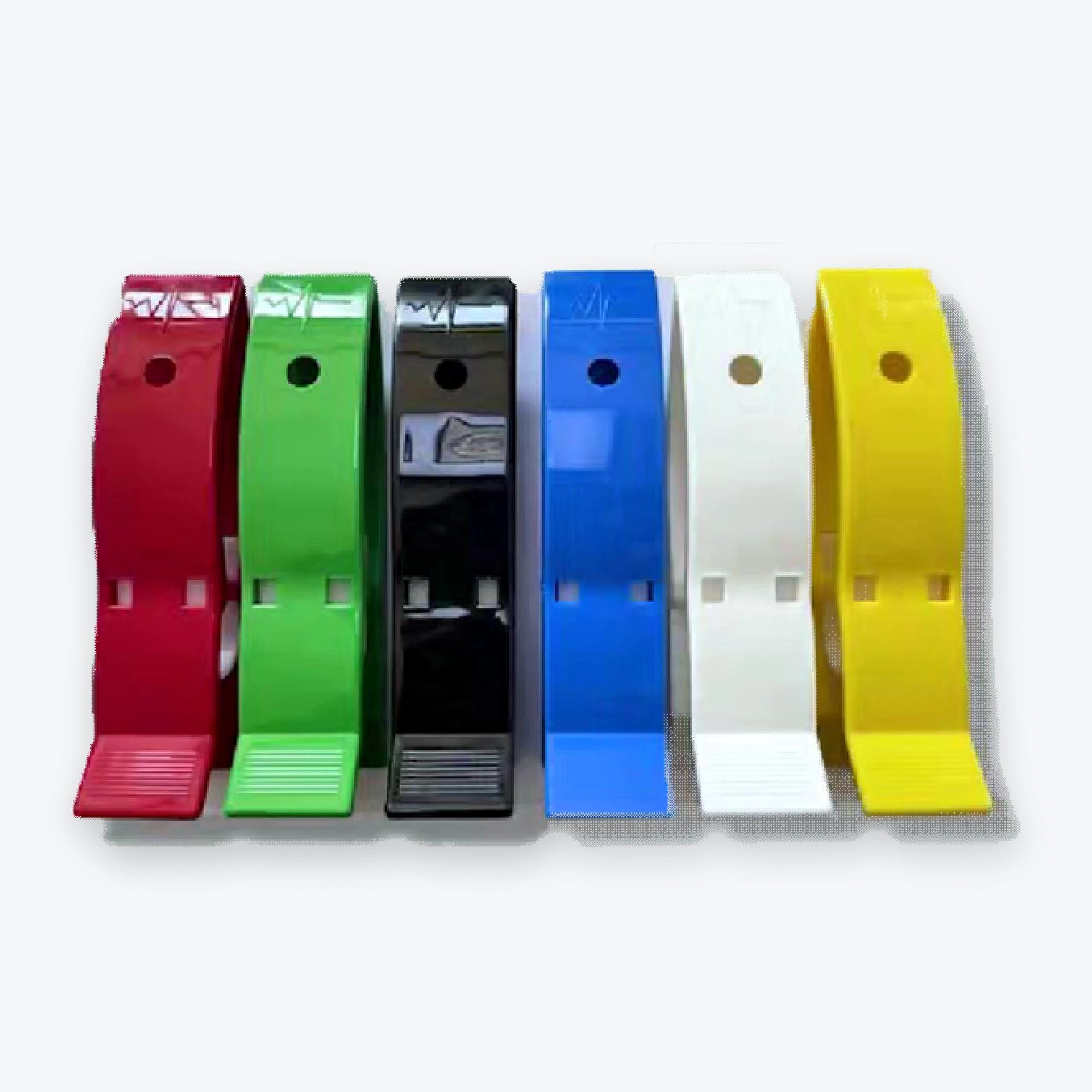
Part examples from six application groups
These photographs come from a company product presentation. Exact resin, dimensions and acceptable tolerances are defined by the engineering drawing.
QUICK COMPARISON
Different parts need different questions
A visible control panel, a concealed clip and an equipment enclosure cannot share a single inspection strategy.
| Example | First engineering question | Commercial input |
|---|---|---|
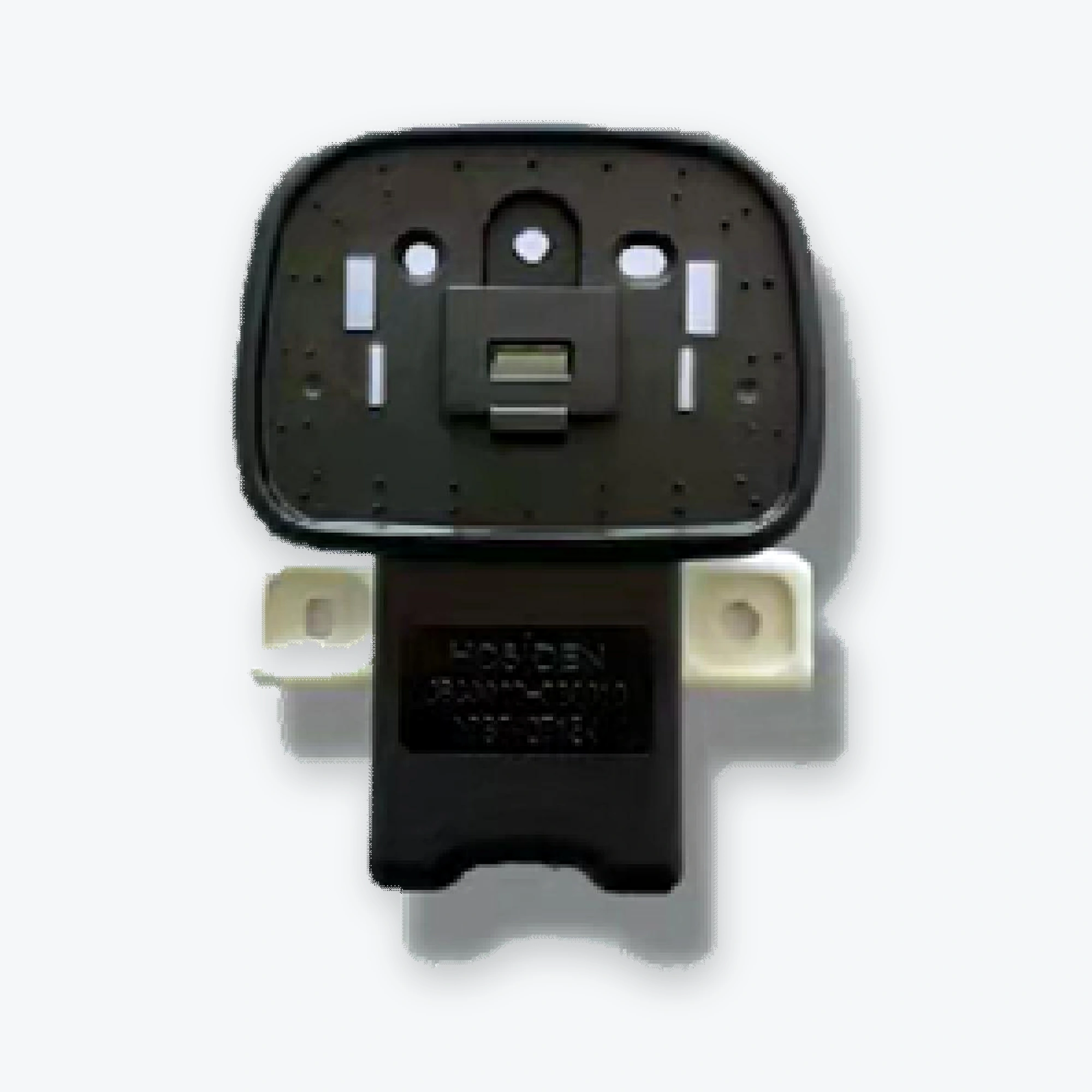
| Automotive Plastic Parts | fit between the plastic part and the adjoining metal or electronic assembly | Drawing + expected annual volume + finish |
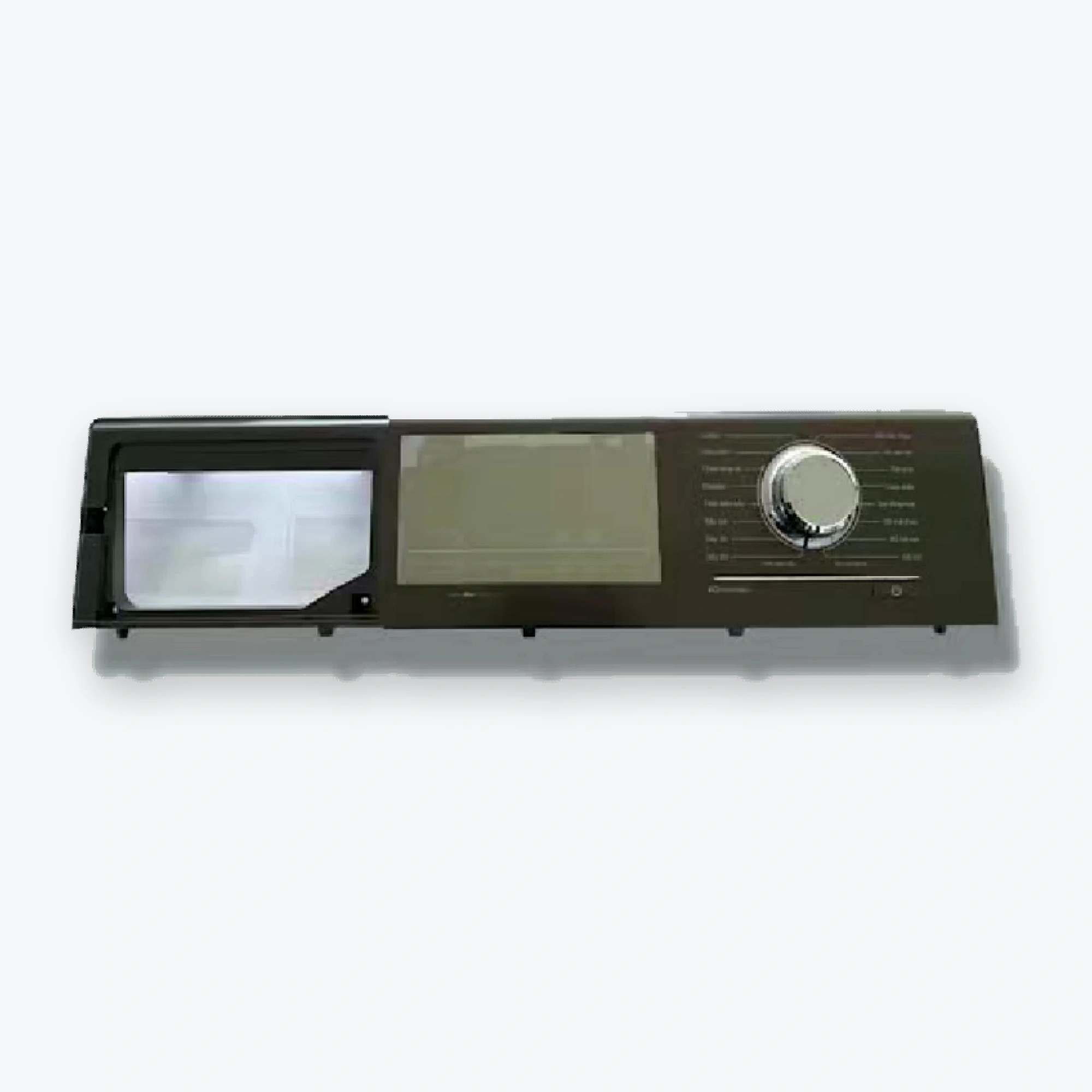
| Washing Machine Plastic Parts | cosmetic fit and repeated user interaction near knobs, windows and controls | Drawing + expected annual volume + finish |
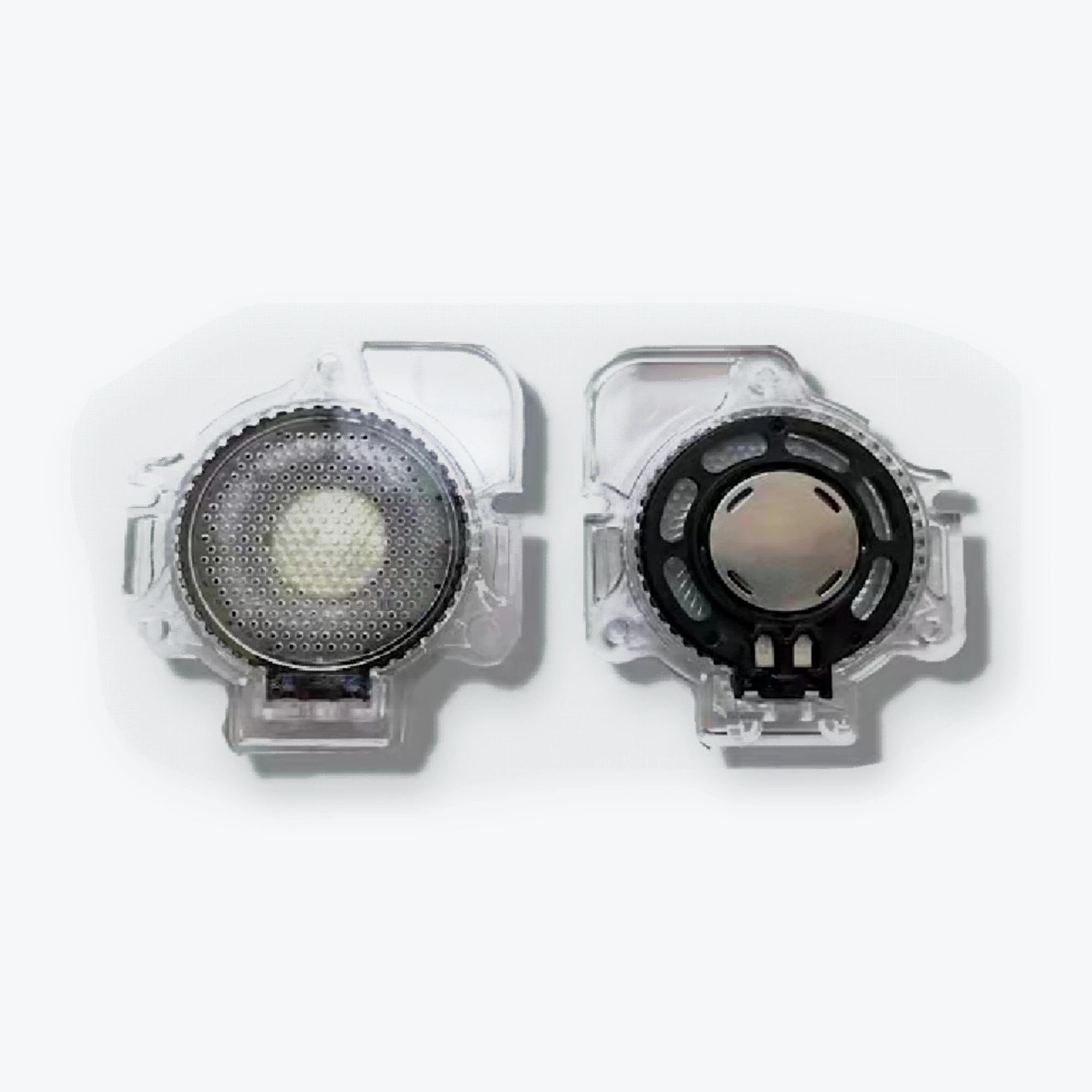
| Audio Plastic Components | acoustic fit, seam control and consistent enclosure assembly | Drawing + expected annual volume + finish |
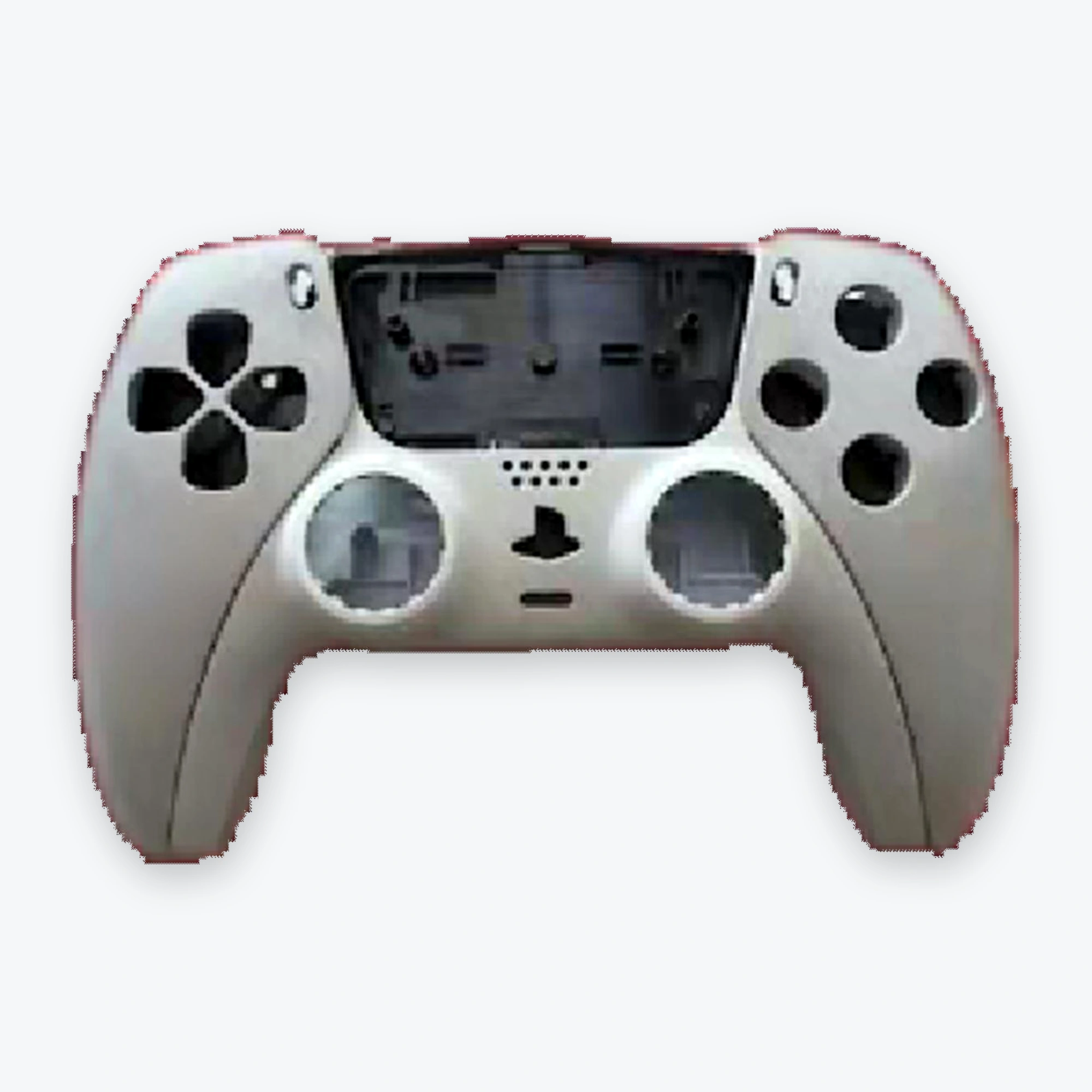
| Game Controller Plastic Parts | consistent grip feel, assembly gaps and actuator clearances | Drawing + expected annual volume + finish |
| Television Plastic Components | large-area appearance, flatness and fastener alignment | Drawing + expected annual volume + finish |
| Medical Equipment Plastic Parts | documentation, repeatability and device-level acceptance criteria | Drawing + expected annual volume + finish |
← Scroll table horizontally on smaller screens →
INQUIRY PREPARATION
What to send with a part enquiry
A photograph helps identify a product family. CAD and technical information establish manufacturing feasibility.
2D and 3D files
Dimensioned drawing with datums and STEP or IGES assembly geometry.
Material and finish
Required grade or performance, colour, coating or print references.
Quantity and destination
Prototype quantity, monthly or annual demand and shipment location.
Send a drawing for review
MOQ depends on part type and order value. New customers may request 1–5 samples where suitable. Mixed models are possible at around USD 1,500 total. Small 1–2-piece orders can cost more per piece. Indicative lead times: standard items 10–25 working days; custom parts 20–45; project equipment 45–120. EXW, FOB, CIF and DAP are common; FCA, CFR, CPT, CIP and DDP can be agreed case by case.