USE CASE
What matters in medical equipment programs
Medical equipment programs begin with intended-use classification, traceable drawings and acceptance plans. The component manufacturer must not imply finished-device clearance simply because a plastic housing has been molded.
Define the part by its job
In equipment housings and non-sterile accessory parts, the actual load case, cosmetic zone and required inspection records make the difference between a shape quotation and a production-ready specification.
Begin with controlled CAD, mating-part geometry and realistic use conditions. Choose a resin only after the environmental requirements are clear.
REQUIREMENTS
Application-specific purchasing checklist
These items should appear in the initial engineering exchange, not after the tool is commissioned.
| Topic | Information to confirm |
|---|---|
| Design reference | Controlled revision, datums, mating component CAD |
| Service environment | Heat, chemicals, vibration, cleaning or repeated touch as applicable |
| Appearance | Visible zones, master colour, permitted defects |
| Functional validation | Acceptance tests and purchaser sign-off authority |
| Supply model | Volume forecast, packaging, delivery and agreed Incoterm |
← Scroll table horizontally on smaller screens →
RELATED PARTS
Relevant photographed product families
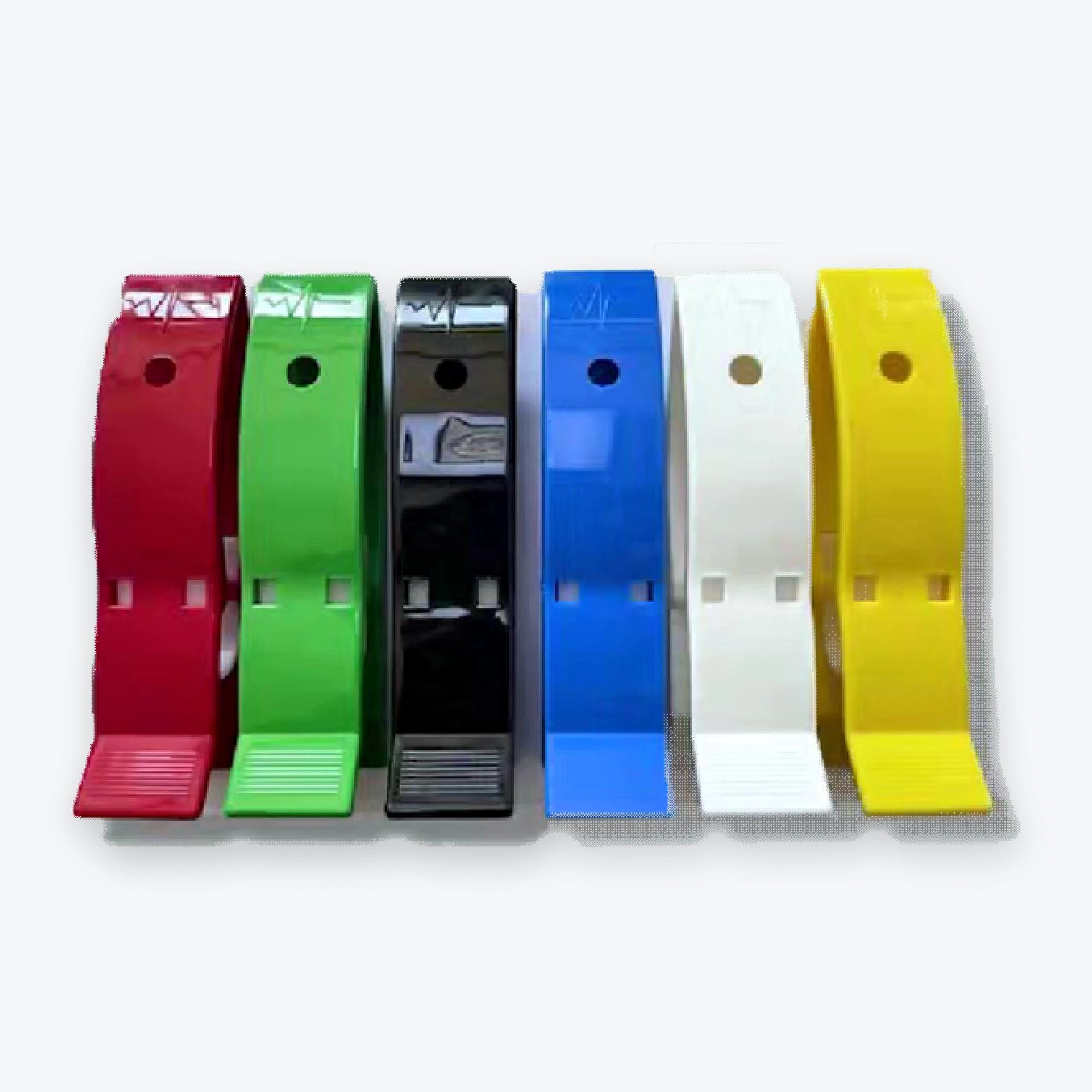
The samples below identify the product scope without claiming a particular customer application was supplied.
ACCEPTANCE
What an approved sample should show
A signed sample is meaningful only when it belongs to a documented drawing and the acceptance state is understood.
Assembly fit
Measure what positions and retains the component.
Surface agreement
Approve appearance against a shared master and lighting method.
Change control
Record resin, tool and drawing revisions.
Send a drawing for review
MOQ depends on part type and order value. New customers may request 1–5 samples where suitable. Mixed models are possible at around USD 1,500 total. Small 1–2-piece orders can cost more per piece. Indicative lead times: standard items 10–25 working days; custom parts 20–45; project equipment 45–120. EXW, FOB, CIF and DAP are common; FCA, CFR, CPT, CIP and DDP can be agreed case by case.