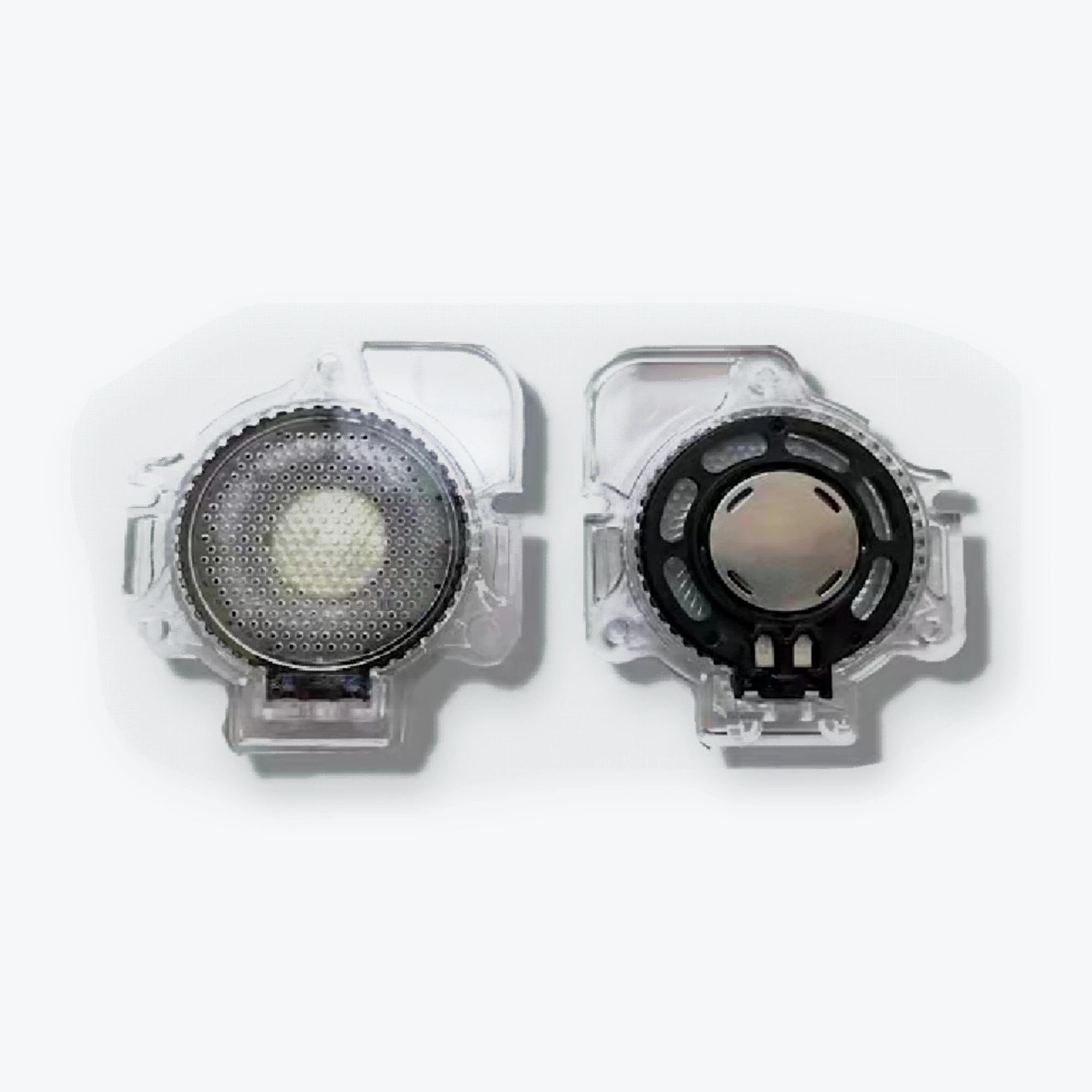
USE CASE
What matters in consumer electronics programs
Users notice seams, colour and button feel before they notice a dimensional drawing. Electronic housings benefit from early review of PCB clearance, snap fits, parting lines, vents and cosmetic areas.
Define the part by its job
In game controls, televisions and audio products, the actual load case, cosmetic zone and required inspection records make the difference between a shape quotation and a production-ready specification.
Begin with controlled CAD, mating-part geometry and realistic use conditions. Choose a resin only after the environmental requirements are clear.
REQUIREMENTS
Application-specific purchasing checklist
These items should appear in the initial engineering exchange, not after the tool is commissioned.
| Topic | Information to confirm |
|---|---|
| Design reference | Controlled revision, datums, mating component CAD |
| Service environment | Heat, chemicals, vibration, cleaning or repeated touch as applicable |
| Appearance | Visible zones, master colour, permitted defects |
| Functional validation | Acceptance tests and purchaser sign-off authority |
| Supply model | Volume forecast, packaging, delivery and agreed Incoterm |
← Scroll table horizontally on smaller screens →
RELATED PARTS
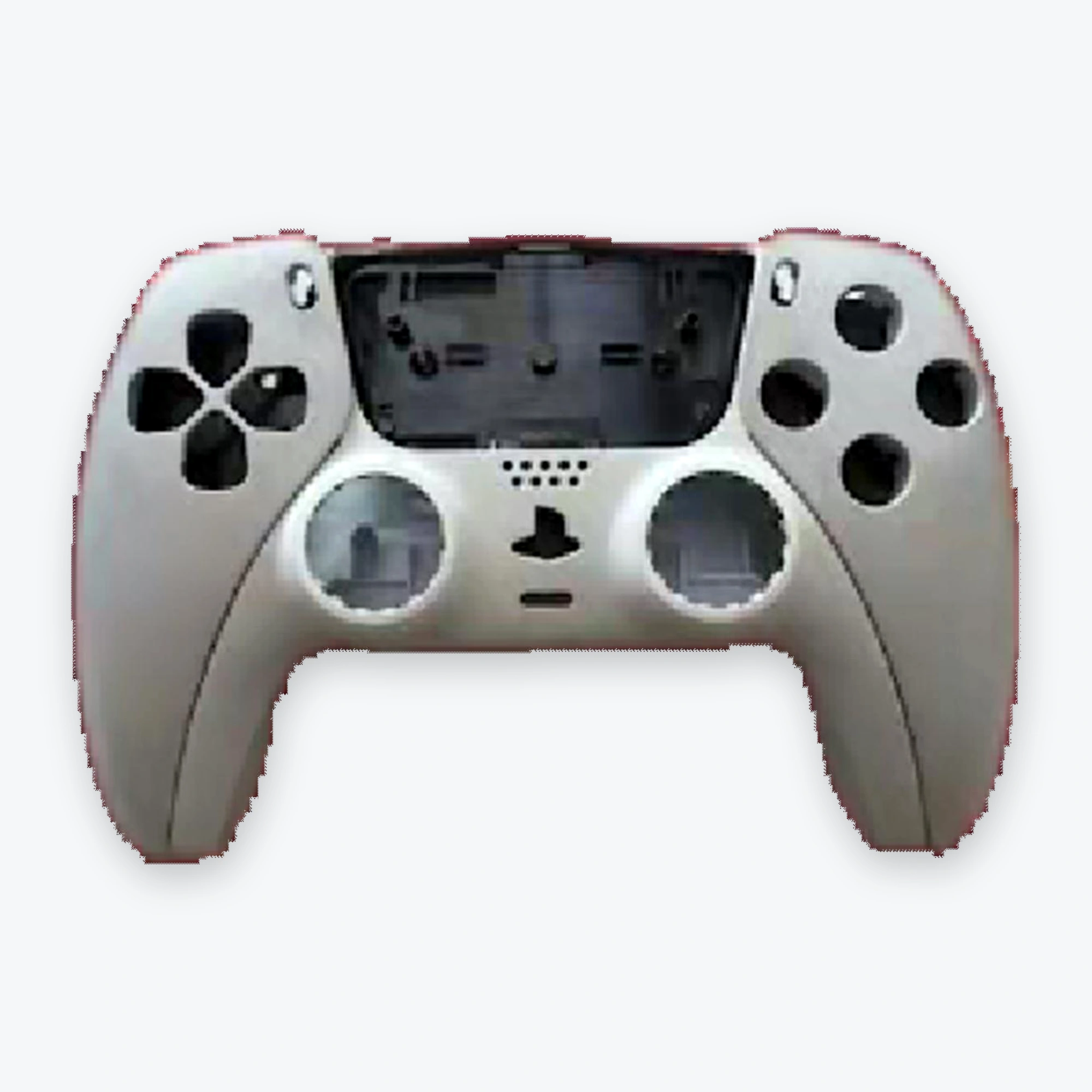
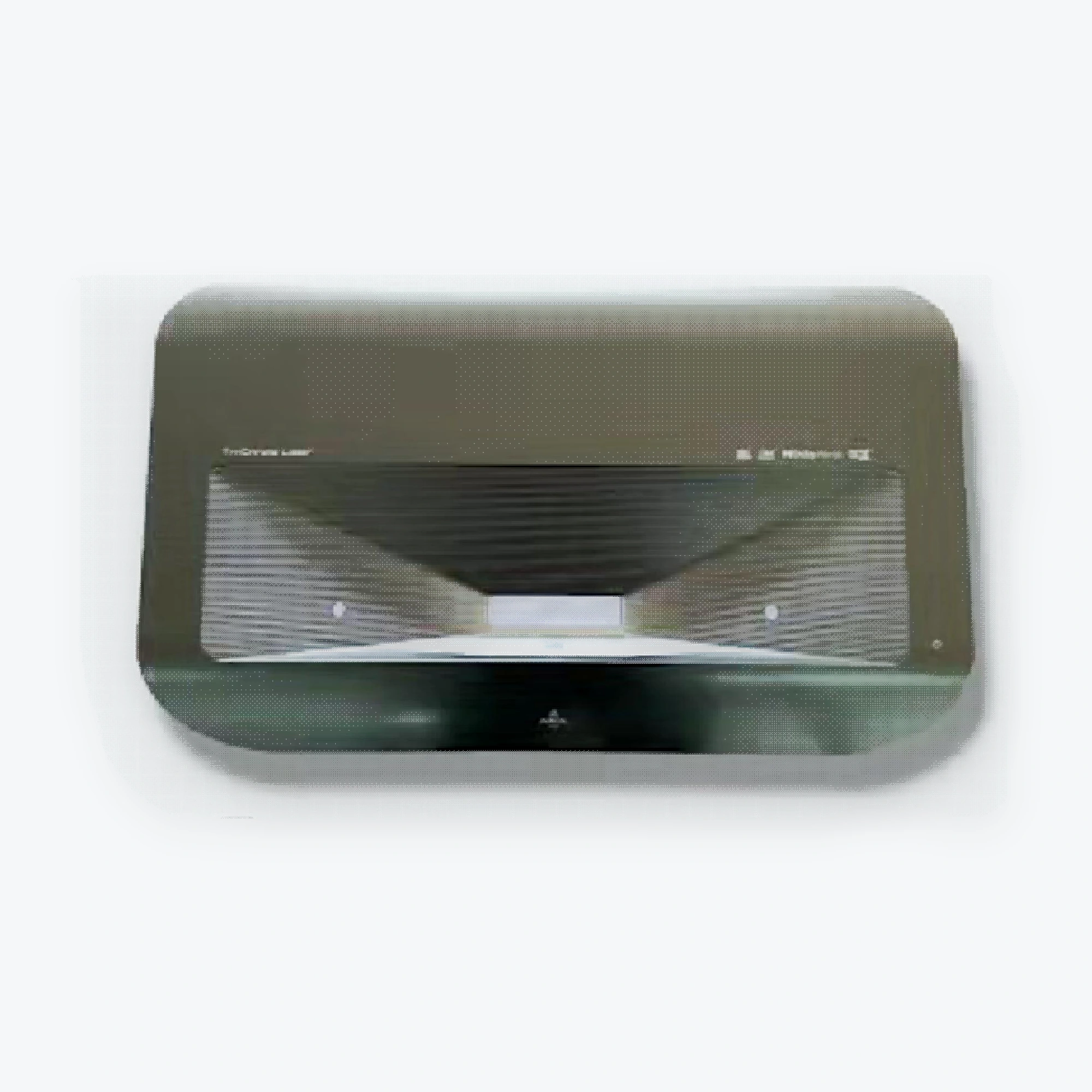
Relevant photographed product families
The samples below identify the product scope without claiming a particular customer application was supplied.
ACCEPTANCE
What an approved sample should show
A signed sample is meaningful only when it belongs to a documented drawing and the acceptance state is understood.
Assembly fit
Measure what positions and retains the component.
Surface agreement
Approve appearance against a shared master and lighting method.
Change control
Record resin, tool and drawing revisions.
Send a drawing for review
MOQ depends on part type and order value. New customers may request 1–5 samples where suitable. Mixed models are possible at around USD 1,500 total. Small 1–2-piece orders can cost more per piece. Indicative lead times: standard items 10–25 working days; custom parts 20–45; project equipment 45–120. EXW, FOB, CIF and DAP are common; FCA, CFR, CPT, CIP and DDP can be agreed case by case.